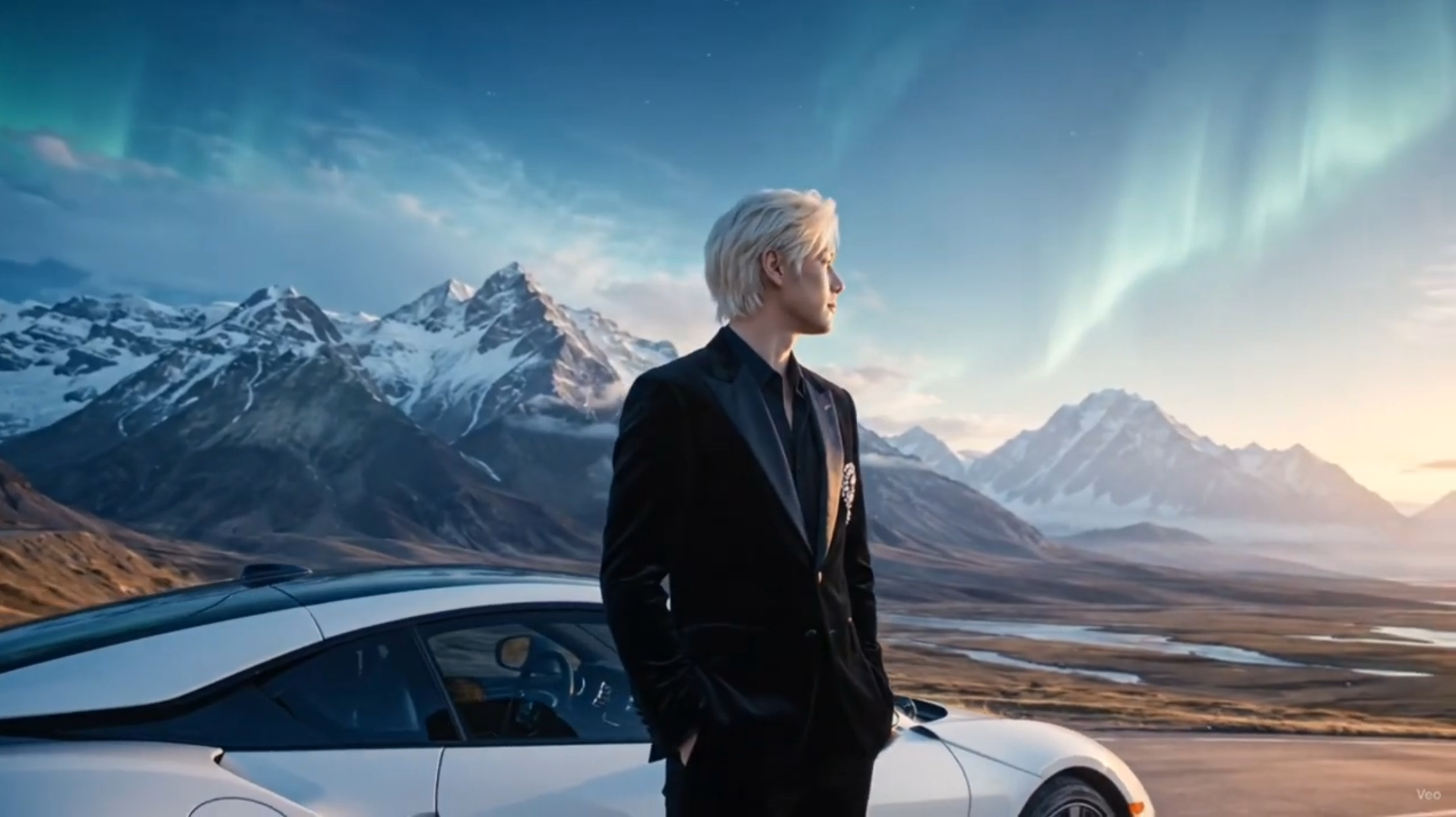
Every revolutionary technology changes the way we work.
The printing press transformed knowledge. Electricity transformed industries. The Internet connected the world.
Artificial Intelligence is transforming how we create.
Today, AI can write articles, compose music, generate images, build presentations, and produce videos in minutes. What once took days can now be accomplished in seconds. The science behind AI is extraordinary—a combination of mathematics, algorithms, data, and computing power that continues to evolve at an astonishing pace.
But technology alone has never changed the world.
People do.
AI can predict the next word, but it cannot dream the next future.
It can imitate a masterpiece, but it cannot experience heartbreak, curiosity, courage, or hope. It can recreate patterns from billions of examples, yet it has never watched a sunrise with wonder, comforted a friend in silence, or risked everything to pursue an impossible idea.
Those experiences cannot be programmed.
They are human.
That is why the most important skill in the age of AI is not learning how to use AI. It is learning how to think.
The best prompt is not a clever sentence. It is the reflection of a curious mind. Behind every remarkable AI creation is someone with vision, taste, empathy, and the courage to ask better questions.
Technology amplifies creativity—it does not replace it.
The future will not belong to those who rely on AI to think for them. It will belong to those who use AI to think bigger, imagine further, and create what has never existed before.
That is why we believe AI is more than science.
AI is science. But it is also art.
Science gives AI its intelligence.
Art gives it purpose.
Science builds the engine.
Humanity chooses the destination.
Science makes AI powerful.
People make AI meaningful.
AI can write copy, compose songs, and create videos. But it has no warmth. It has no memories. It has no soul.
The soul of every great creation has always come from the person behind the tool.
And it always will.
Leave a Reply